
05 / Environmental and Ecosystem Integration
Removing the hazard without damaging what the site exists to protect.
Cultural resource protection, invasive species suppression, protected species monitoring, and ANSI A300 pruning across 20 of 27 contract actions.
On federal land the vegetation is often the resource
On a commercial job the tree is an obstacle and the ground is a workspace. On federal land that frame is backwards. The tree may be part of a cultural landscape, the ground may hold archaeological resources, and the stand may support a protected species. Removing the wrong thing is as much a finding as failing to remove the right thing.
That means the scope starts with what is on the site beyond the hazard tree, and the method follows from there. We identify the resources, coordinate with the agency, and select a removal approach that protects them. The tree comes down. Everything else stays.
What We Deliver
Six cultural resource vegetation management capabilities for work where the site governs the method
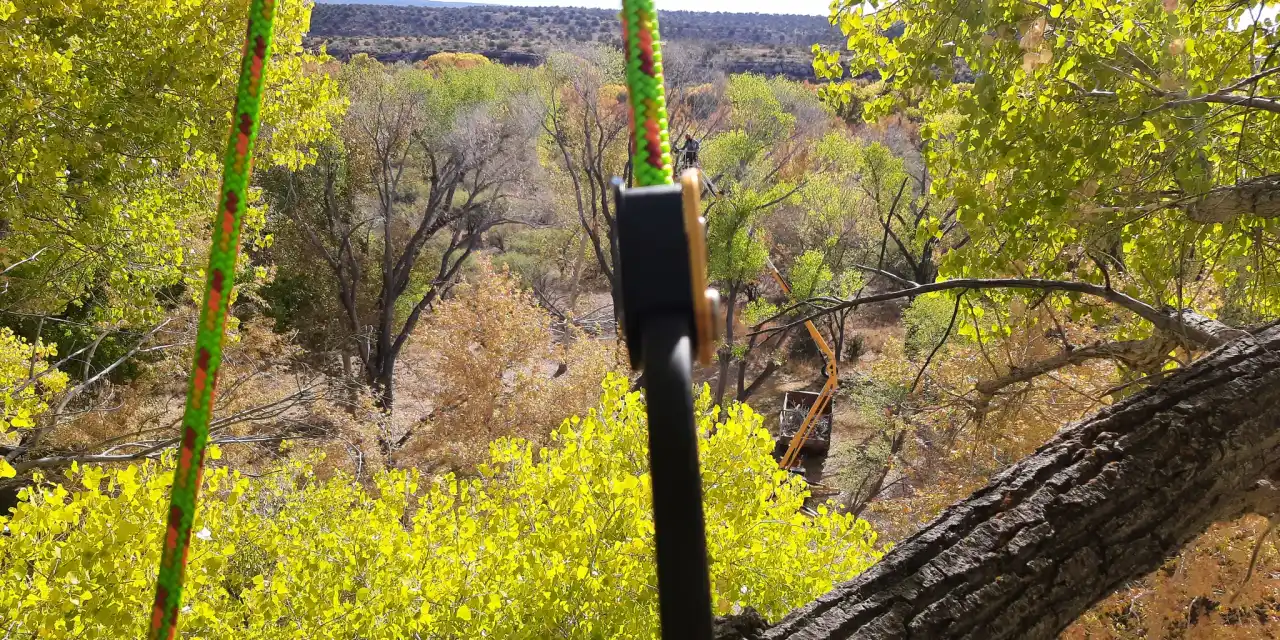
ANSI A300 pruning to standard
Every pruning cut follows the ANSI A300 standard for structural integrity, wound closure, and future growth. We do not top trees, lion-tail branches, or make flush cuts. The standard exists because bad pruning creates the next hazard tree. We prune to the standard so the tree stays structurally sound after we leave.
Invasive species identification and suppression
Invasive vegetation outcompetes native canopy and changes the fuel load. We identify invasive species on site, map the extent, and execute a suppression plan that targets the root system, not just the visible growth. Suppression is sequenced to avoid reestablishment from seed bank or root fragment.
Cultural and archaeological resource protection
On federal land the ground often holds cultural resources that predate the trees standing on it. We coordinate with the agency archaeologist before equipment moves, mark exclusion zones, and select methods that do not disturb the resource. The tree comes out. The ground underneath stays intact.
Protected species monitoring with Biomonitor support
Where a listed species is present or suspected, we work under Biomonitor environmental compliance protocols. The monitor surveys before work begins, flags habitat, and has stop-work authority if a protected species is found during operations. The crew works around the species, not through it.
Timber stand improvement
Timber stand improvement means selecting which trees stay and which come out to improve the health and structure of the remaining stand. We thin for canopy spacing, remove suppressed and diseased trees, and favor dominant healthy stems. The stand left behind is more resilient than the one we found.
Disposition of recovered material including beneficial reuse
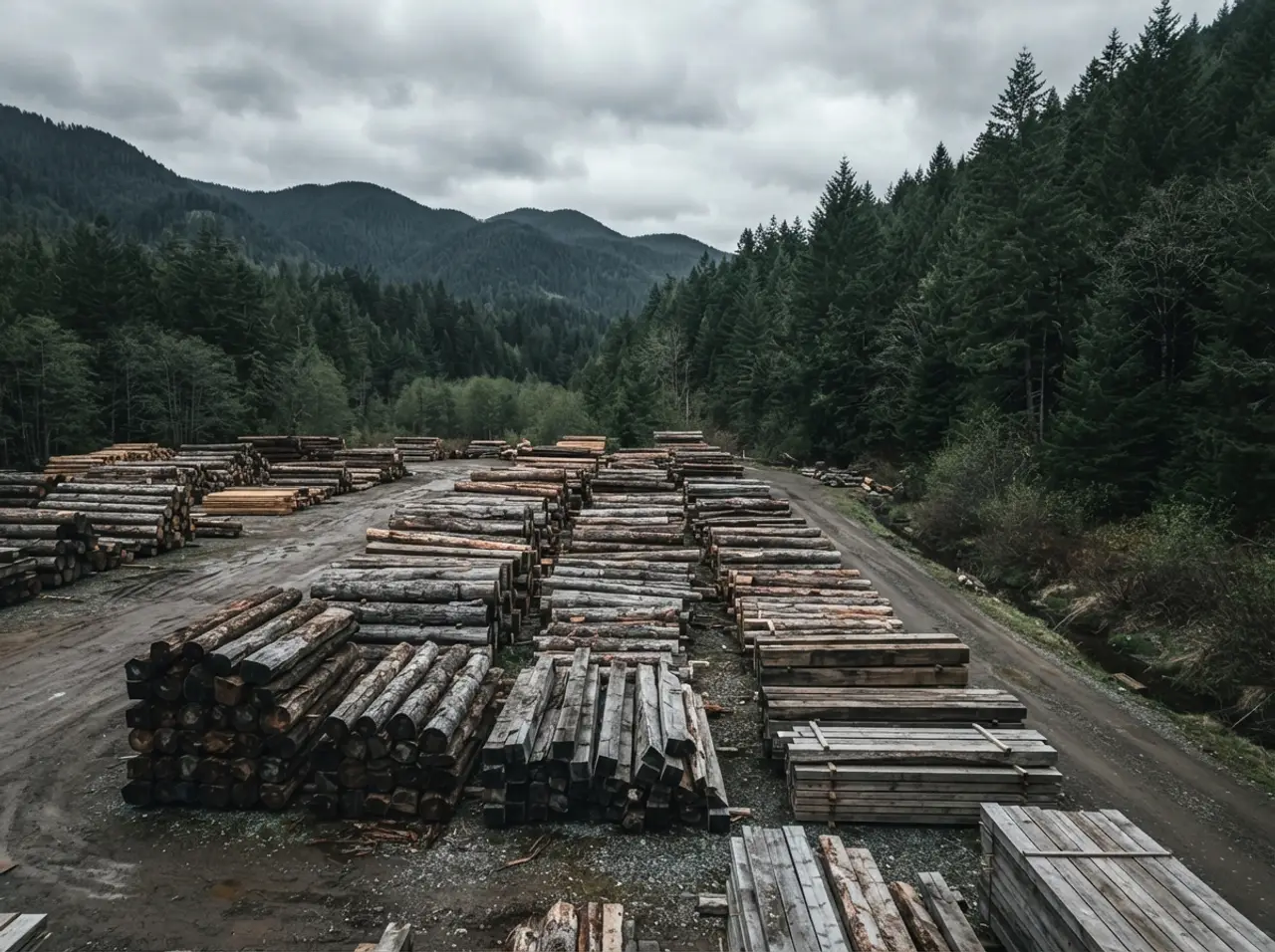
Removed timber does not have to end as chips in a dumpster. We sort recovered material for beneficial reuse, including donation to tribal firewood programs, habitat pile construction, and mulch for trail stabilization. The disposition plan is part of the project scope, not an afterthought.
The Hardest Problem in This Lane
The site governs the method
At Chickasaw National Recreation Area, 300 hazard trees came down across 84 acres on ravine slopes up to 70 degrees. The recovered timber could have been chipped and hauled to waste. Instead it was routed to the Chickasaw Nation Firewood Program, supporting more than 200 households. The site exists to serve the people around it, and the disposition of the material followed that purpose.
At Fort Donelson National Battlefield, 122 hazard trees stood across 160 acres of unexcavated Civil War earthworks. The archaeological resource dictated the removal method. We used an airspade to excavate each root ball with compressed air, then removed the root material with carbide tools. Zero ground disturbance to the earthworks across all 122 removals. The site exists to preserve what is in the ground, and the method followed that purpose.
These are the same discipline applied to different constraints. One site directs material to people. The other directs the method away from the ground. In both cases the hazard is removed and the site is left better for how it was done.
Read the full federal recordWhere This Applies
Federal land where the resource defines the scope
National Historical Parks
See the federal record for this market.National Battlefields
See the federal record for this market.National Cemeteries
See the federal record for this market.Recreation Areas and Watersheds
See the federal record for this market.Next Step
When the resource governs the method, the plan starts before the saw
Download the capability statement for environmental and ecosystem integration on federal land. The full capability statement, past performance summary, and federal registration data are available as a single document. For teaming opportunities, see how we work with partners.
Federal Registration
Ready to mobilize
| Field | Value |
|---|---|
| UEI | GZ3XMZPPKA59 |
| CAGE | 9NKZ6 |
| Primary NAICS | 561730 |
| Additional NAICS | 115310 and 113310 |
| PSC | F014 S208 F018 |
| SAM.gov Status | Active |
The Arborist is a Service-Disabled Veteran-Owned Small Business serving federally managed land across the United States.